


Reviewed by John Hu, founder of John Hu Migration Consulting and Registered Migration Agent (MARN 0746141).
What Is a Conditional Green Card?
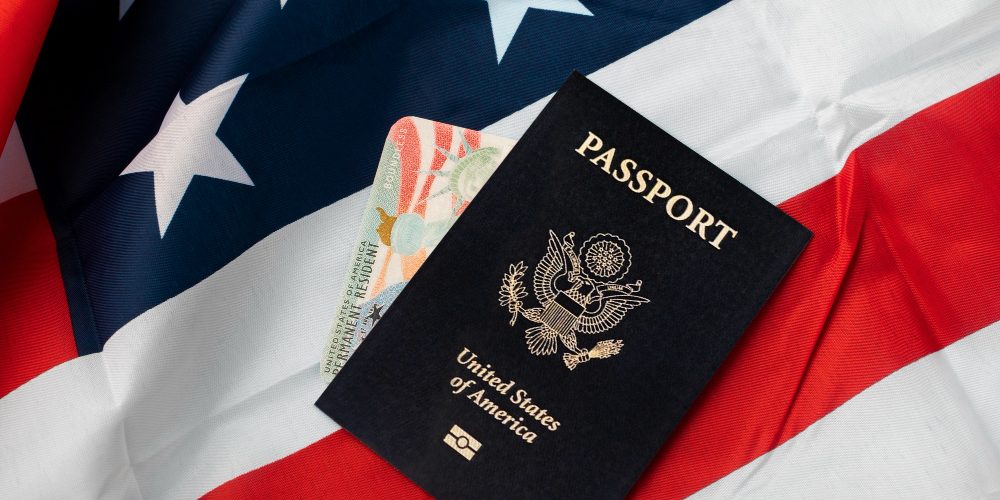
Once USCIS approves your I-526 or I-526E petition, you and your immediate family (spouse and unmarried children under 21) receive green cards valid for two years. These are called conditional green cards.A conditional green card grants nearly the same rights as a regular permanent resident card:- Freedom to live and work anywhere in the U.S.
- Access to public education for children at local tuition rates instead of international fees.
- Eligibility to travel in and out of the U.S. with ease.
The I-829 Petition: Your Key to Permanent Residency
To remove conditions, you must file Form I-829, Petition by Investor to Remove Conditions on Permanent Resident Status, within the 90 days before your conditional card’s two-year expiration date.This filing requires strong documentation. Specifically, you must prove that:- Your investment stayed “at risk” throughout the two-year period. USCIS wants to verify that you did not withdraw, transfer, or obtain repayment early.
- At least 10 full-time U.S. jobs have been created or are currently being created because of your investment. Payroll, tax, and employment records are primary proof.
- The investment was made in good faith and continues to comply with EB-5 program rules.
Risks and Pitfalls During the Conditional Period
The conditional phase can be tricky. Investors must be mindful of several common risks:1. Missing the I-829 Deadline
If you do not file within the 90-day window before your card expires, USCIS can automatically terminate your status. You might face deportation proceedings. Although late filings can sometimes be excused, this is uncommon and requires strong evidence of “good cause.”2. Job Creation Shortfalls
The EB-5 program requires proof of at least 10 full-time jobs per investor. If your chosen project does not meet employment projections, your I-829 might be denied—even if the project performs well financially.3. Early Repayment or Mismanagement of Funds
If your investment is returned too early or project managers mishandle the funds’ structure, USCIS may conclude your capital was not “at risk” as required.4. Regional Center Compliance Issues
If a regional center sponsoring your project fails to stay compliant with the Reform and Integrity Act (RIA) of 2022, your petition could be delayed or denied despite your own compliance.5. Incomplete Documentation
USCIS requires detailed records—payroll, tax filings, business plans, and more. Poor documentation is a common reason for I-829 denials or lengthy Requests for Evidence (RFEs).The RIA’s Impact: A More Regulated Future
The EB-5 Reform and Integrity Act (RIA) implemented stricter requirements aimed at protecting investors. While these rules enhance program stability, they also increase the compliance standards.Some changes affecting the conditional phase include:- Stricter oversight of regional centers, including detailed reporting and audits.
- Mandatory transparency of funds, allowing investors to monitor how their capital is used.
- Increased USCIS scrutiny, resulting in longer review times and more frequent RFEs..
Why Conditional Status Is Still a Huge Advantage
Despite the challenges, securing a conditional green card is a major milestone for investors. It allows you and your family to relocate immediately, enjoy U.S. life, and lay down roots while completing the final step of your EB-5 process.FAQ
- What is a "Direct EB-5 Investment," and how does it differ from a Regional Center investment?
A Direct EB-5 investment involves an applicant funding their own business and actively managing its daily operations. This differs from a Regional Center investment, which is typically a passive investment in a large-scale project managed by a third party. Direct investors must own at least 10% of the enterprise and maintain it for a minimum of two years after I-526E approval.
- How has the EB-5 Reform & Integrity Act of 2022 (RIA) impacted Direct EB-5 investors?
The RIA introduced stricter standards for Direct EB-5 investments, increasing the risk and requiring more thorough due diligence. It mandates stricter documentation for job creation and business legitimacy, and it does not provide the same project transfer protections that are available to Regional Center investors. This means the success of the immigration petition is directly tied to the performance of the applicant's business.
- What is the biggest risk for Direct EB-5 investors under the new RIA?
The biggest risk is the lack of investor protection. Unlike Regional Center investors who can transfer to a new project if the original one fails, Direct investors do not have this safeguard. If their single enterprise struggles or fails to maintain the required 10 full-time jobs, the entire immigration petition, including their status, can be jeopardized.
- What are the key documentation challenges for Direct EB-5 investors?
The new policy environment is strict, demanding meticulous documentation. This includes an error-free business plan that meets the "Matter of Ho" job creation standard, current Articles of Incorporation, IRS filings, payroll records, and third-party attestations. Any inconsistency or missing document can lead to an RFE (Request for Evidence) or a denial.
- How does the new law affect the processing timeline for Direct EB-5 applications?
Direct EB-5 filings often take longer to process, with USCIS adjudication for the I-526E petition lasting between 24 and 36 months due to increased scrutiny. The I-829 petition also requires robust documentation to prove job maintenance and ongoing operations. The process can be further complicated by visa bulletin retrogressions for applicants from certain countries.
- Who is the ideal candidate for a Direct EB-5 investment?
Direct EB-5 is best suited for experienced entrepreneurs already based in the U.S. who want more active control over their business. It is for applicants who are prepared to handle the operational responsibilities and long-term capital commitments, and who have a clear, viable business plan to create and maintain at least 10 full-time U.S. jobs.